
Purchasing a used automatic car can be a wise choice for many drivers, especially those desiring a more relaxed driving experience. However, buying any used vehicle comes with its unique considerations, particularly regarding automatic transmission systems. This guide covers essential checks and factors that should accompany your decision to ensure you select a reliable vehicle.
This advice is informed by insights from various official sources, including the DVLA and DVSA, as well as industry best practices.
What Should I Know Before Buying a Used Automatic Car?
Before finalising your purchase, ensure that you:
1. Check the vehicle's history (MOT, service records).
2. Test the automatic gearbox for smooth transitions.
3. Look for warning lights on the dashboard.
4. Inspect for any signs of fluid leaks under the car.
How to Assess a Used Automatic Car: Key Checks
Understanding what to check when evaluating a used automatic car can save you from potential future headaches. Here are some crucial areas to focus on:
1. Automatic Gearbox Functionality
Before anything else, take the vehicle for a test drive. Pay close attention to how the automatic gearbox performs. Gear shifts should be smooth without any delays or harsh engagements. If you notice issues, such as slipping or unexpected lurching, it could hint at significant problems inside the transmission.
2. Transmission Fluid
Check the level and condition of the transmission fluid. It should be a vibrant red colour; any darkness or burnt smell could indicate poor maintenance or impending gearbox failure. Ask the previous owner or dealership when the fluid was last changed, as regular maintenance of the transmission is crucial.
3. Vehicle History and Documentation
Review the service history and the MOT history via the official DVLA website. You’re looking for regular servicing, particularly related to the transmission system, as well as any recorded mileage discrepancies. You can check the vehicle history using the DVLA’s online service at GOV.UK (accessed Oct 2023).
4. Diagnostic Check
Consider using an OBD-II scanner to diagnose potential warnings not visible on the dashboard. This tool can reveal hidden issues within the car's computer system linked to the automatic transmission.
5. Inspect the Underneath
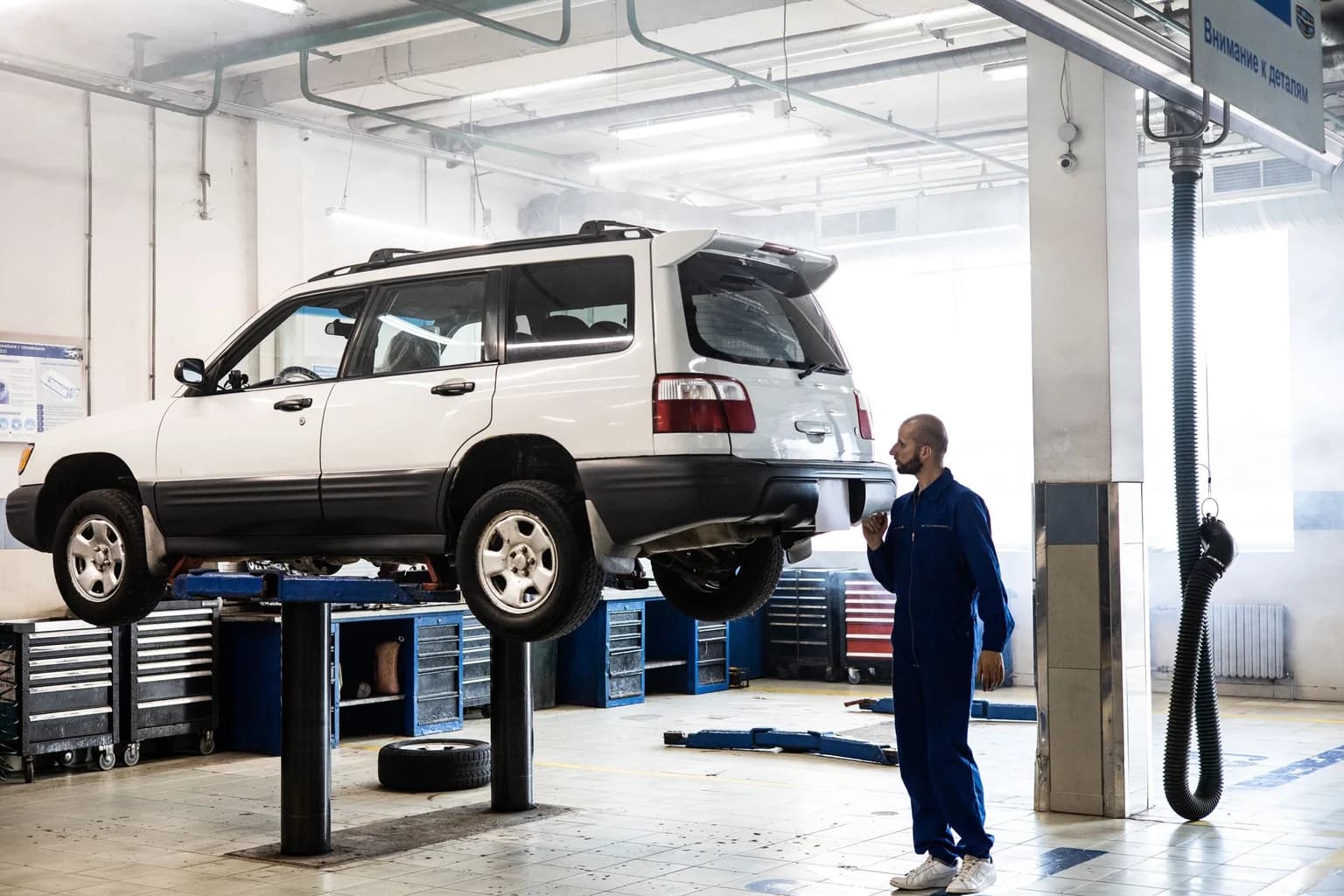
When possible, get under the car or have it inspected by a professional to check for fluid leaks—transmission fluid leaks can be a costly issue to resolve.
Checklist for Buying a Used Automatic Car
- 1. Test drive to assess gearbox performance.
- 2. Check transmission fluid for colour and smell.
- 3. Review vehicle service history and MOT records.
- 4. Perform a diagnostic check if feasible.
- 5. Inspect for any fluid leaks under the vehicle.
Common Problems with Used Automatic Cars
While many automatic cars are reliable, several common issues can arise, particularly with older models. Here's a brief list of potential problems:
1. Transmission Fluid Leaks: Continual leakage can lead to significant issues if not addressed. Check the ground after parking for any signs.
2. Delayed Engagement: If there's a noticeable delay when shifting from Park to Drive, it may indicate a failing transmission.
3. Erratic Shifting: Sudden or unpredictable shifts between gears can signal trouble with the gearbox. This can affect the overall drivability of the car.
4. Overheating: Automatic transmissions generate heat. If not properly maintained, they can overheat, leading to costly repairs. Regular checks of cooling systems are vital.
Understanding the Running Costs of an Automatic Car
Buying an automatic vehicle often means higher initial costs, but can lead to savings and advantages in everyday use. Consider these factors:
- Fuel Efficiency: Modern automatic cars often provide better fuel efficiency compared to their manual counterparts. However, older models may consume more fuel due to outdated technology.
- Insurance Premiums: Insurance for automatic vehicles can sometimes be higher due to perceived increased value and repair costs. Be sure to compare quotes.
- Maintenance Costs: Automated transmissions may require more expensive repairs and services, especially if issues arise. Regular maintenance can mitigate these potential costs.
- Depreciation: Automatic cars may depreciate at different rates compared to manual vehicles, which could influence resale values.
Who Should Consider Buying a Used Automatic Car?
1. City Drivers: If you regularly navigate busy city traffic, the convenience of an automatic transmission can make driving much easier, reducing the strain during stop-and-go conditions.
2. Less Experienced Drivers: Automatic cars can be easier for new drivers to manage, as they require less coordination than manuals. This encourages more confidence behind the wheel.
3. Drivers with Mobility Issues: For those with physical limitations, automatic vehicles can provide a more accessible driving experience.
Final Thoughts on Buying Used Automatic Cars
Purchasing a used automatic car can indeed be a rewarding experience if approached thoughtfully. By being diligent in your checks, understanding potential issues, and looking for reliable documentation, you can make an informed decision. Always remember to confirm specific details directly with the seller, and consider having an independent mechanic evaluate any vehicle before completing your purchase to ensure you are making a sound investment.
Local Information
Frequently asked questions
How often should you change automatic transmission fluid?
It's advisable to change the transmission fluid every 30,000 to 60,000 miles, but always refer to the manufacturer's recommendations.
What are the signs your automatic transmission is failing?
Common signs include slipping gears, delayed gear engagement, unusual noises, and warning lights on the dashboard.
Can an automatic car be driven in manual mode?
Many modern automatic cars have a manual mode that allows the driver to select gears manually, enhancing control.
Is it better to buy a new automatic or a used one?
This depends on your budget and needs. New automatics will have the latest technology and warranties, whereas used automatics can provide value if well-maintained.
Do automatic cars require different maintenance than manual ones?
Yes, automatic cars generally require more complex maintenance, particularly regarding the transmission system.
Sources
- MOT History Check · accessed October 2023
- DVLA Vehicle Information · accessed October 2023
- Automatic Transmission Maintenance Guide · accessed October 2023