
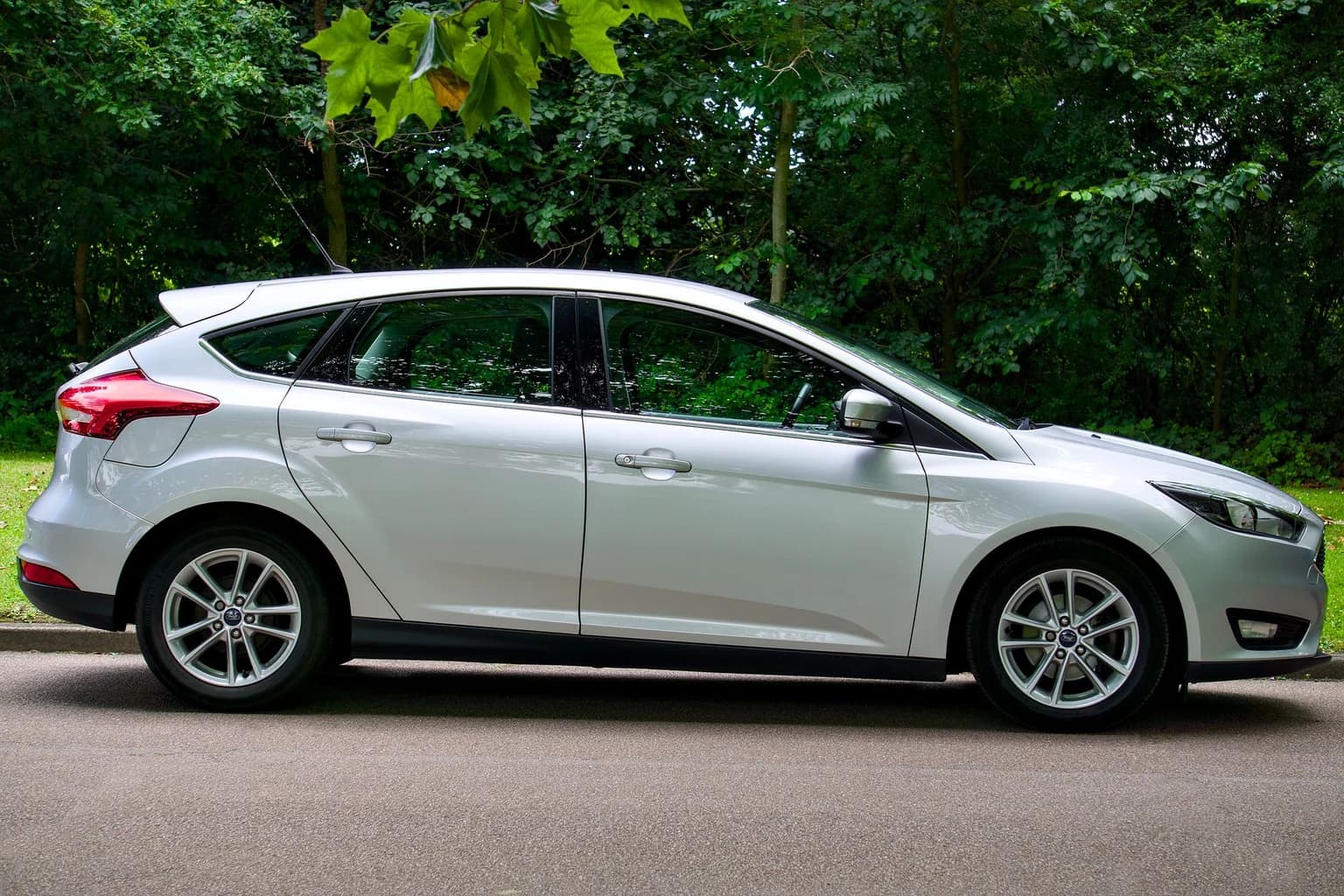
Choosing between a petrol or diesel used car can significantly impact your driving experience, running costs, and overall satisfaction. This decision hinges on several factors, including your driving habits, the types of journeys you typically undertake, and your budget for maintenance and fuel.
If you primarily engage in short trips around town, a petrol vehicle may be more economical and better for the environment compared to a diesel. However, if you often drive longer distances, a diesel might offer better fuel economy and performance.
What are the Differences Between Petrol and Diesel Used Cars?
1. Fuel Economy: Diesel engines generally provide better fuel economy and more torque than petrol engines. This means they consume less fuel over long distances, making them more cost-effective for motorway driving.
2. Maintenance Costs: Diesel cars typically have higher maintenance costs due to more complex components. For example, diesel particulate filters (DPFs) can be expensive to replace if they become clogged.
3. Emissions: Petrol engines tend to emit lower levels of NOx and particulates than diesel engines, making them a better option for urban driving, especially with low emissions zones becoming more common in cities.
When to Choose Petrol or Diesel?
Consider petrol if you:
- Mainly do short trips or city driving.
- Value lower purchase prices and maintenance costs.
- Want a quieter, smoother driving experience.
- Prefer lower emissions for urban zones.
- Consider diesel if you:
- - Often drive long distances or on motorways.
- - Require a vehicle with higher torque for towing or carrying heavy loads.
- - Seek better fuel economy over longer journeys.
Potential Drawbacks of Each Fuel Type
1. Petrol: Petrol engines can consume more fuel on longer journeys, and they generally don't have the same level of torque as diesel engines, which can impact performance under load.
2. Diesel: Diesel cars may face driving restrictions in certain UK cities, especially as regulations tighten around emissions. Short, stop-start journeys can lead to increased wear on the engine and issues with DPFs clogging up.
Comparing Running Costs for Petrol and Diesel
- Fuel Prices: Diesel has historically been more expensive than petrol, though this can vary. Check current fuel prices to assess potential savings.
- Insurance and Tax: Diesel cars may incur higher road tax costs under current emissions regulations. Insurance premiums can also vary based on the model and engine size.
Who Should Consider a Petrol Vehicle?
- Daily commuters who primarily drive in urban areas should consider petrol vehicles due to their lower emissions and maintenance costs.
- Families might prefer petrol if their journeys tend to be shorter and more frequent, as well as easier on the wallet.
Making the Right Choice for Your Driving Needs
Choosing between petrol and diesel ultimately comes down to your driving habits. If you frequently do short journeys, petrol vehicles are often more cost-effective and environmentally friendly. Diesel may be the better option if you regularly cover long distances and require a vehicle that excels in fuel economy.
Legal Aspects to Consider in the UK
- Be aware of current regulations regarding emissions in your area. Local councils may introduce charges for diesel cars in low-emission zones, affecting long-term costs and vehicle desirability.
- Check the DVLA guidelines for vehicle taxation and MOT requirements related to fuel type. More information can be found on official websites like the DVLA (https://www.gov.uk/government/organisations/driver-and-vehicle-licensing-agency) accessed on 2023-10-01.
Frequently asked questions
What type of engine is better for short city driving?
Petrol engines are generally better for short city journeys as they produce fewer harmful emissions and offer lower maintenance costs.
Can diesel cars be used for short journeys?
While diesel cars can be used for short trips, they may not perform optimally as they often require longer journeys to clear out soot build-up in the DPF.
How does diesel affect road tax and insurance costs?
Diesel vehicles may incur higher road tax costs due to stricter emissions regulations, and insurance rates can vary based on the vehicle's model and specifications.
What are the advantages of diesel engines?
Diesel engines typically offer better fuel economy for long-distance travel, have more torque, and may be more suitable for towing heavy loads.
How has the UK government impacted diesel car ownership?
The UK government has introduced various policies aimed at reducing emissions, which can impact diesel car ownership, particularly in urban areas with low emission zones.
Sources
- Driver and Vehicle Licensing Agency · accessed 2023-10-01
- Diesel Particulate Filter (DPF) Information · accessed 2023-10-01