
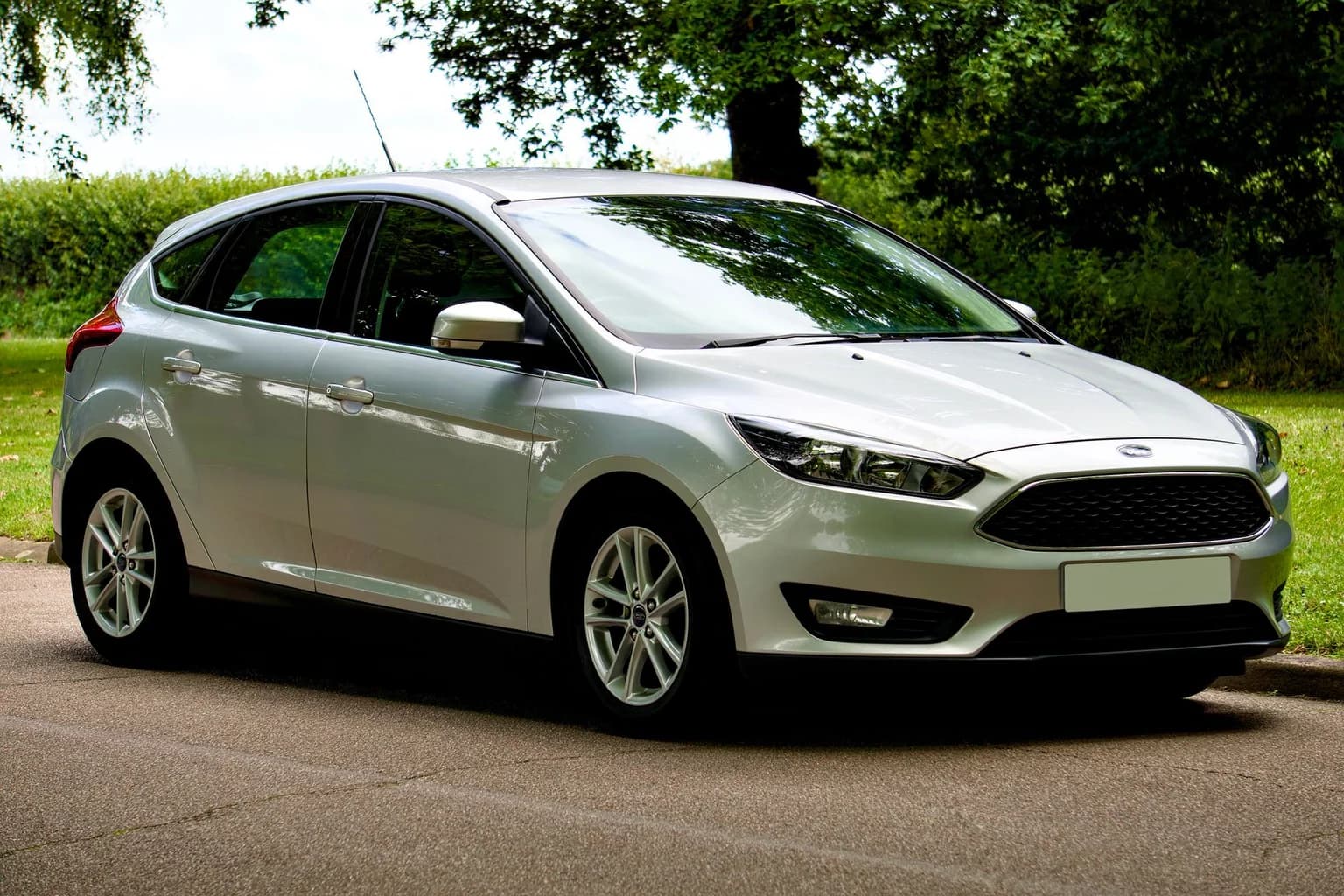
Setting a budget is one of the most critical steps when buying a used car. A well-defined budget helps you select a vehicle that meets your needs without overspending.
What Should You Budget for Your Next Used Car?
The average budget for a used car in the UK can vary greatly. Generally, a sensible range is between £5,000 and £15,000, considering factors such as the vehicle’s age, mileage, and condition.
How to Determine Your Car Buying Budget
1. Evaluate Your Financial Situation: Review your income, savings, and other expenses. This helps you understand how much you can afford without straining your finances.
2. Consider Additional Costs: Purchasing a car is not just about the purchase price. Factor in costs like insurance, road tax, fuel, and maintenance.
3. Assess Your Needs: Think about what you require from a car. Do you need it for commuting, family trips, or occasional use? This will influence your budget and type of car you should consider.
4. Research Vehicle Types: Explore various makes and models to understand their price ranges. Websites such as AutoTrader and WhatCar? can provide helpful insight on options within your budget.
Checklist for Setting Your Car Buying Budget
- Review your monthly income and expenses
- Determine how much you can put towards a vehicle loan or outright purchase
- Research additional costs (insurance, maintenance, fuel)
- Set a price limit for the purchase
- Explore finance options if needed (personal loan, hire purchase)
Common Budget Mistakes When Buying Used Cars
Many buyers make the mistake of focusing solely on the purchase price without considering ongoing costs, which can lead to financial strain later on. It's crucial to understand that the upfront cost is only part of the expense of owning a car.
- Neglecting insurance and tax costs
- Overextending budget on higher-end models due to features
- Underestimating maintenance costs for older or used models
Evaluating Running Costs
Running costs can greatly affect your overall vehicle expenditure. Here are key components to consider:
- Fuel: Assess the fuel efficiency of desired models. Petrol and diesel prices fluctuate, impacting ongoing costs.
- Insurance: Insurance premiums vary based on the vehicle's make, age, and your driving history. Get quotes for different models to find a car that fits your budget.
- Road Tax: Depending on the car's emissions and year, road tax rates differ. Check the current rates for the vehicles you're considering through the GOV.UK website.
Who Should Consider Affordable Used Cars?
Affordable used cars are suitable for various buyers, including:
- First-time drivers looking for budget-friendly options.
- Families needing a reliable vehicle without hefty payments.
- Individuals seeking a second car for occasional use or commuting.
Finding a Balance Between Quality and Cost
Ultimately, setting a realistic budget will help ensure you find a used car that suits your needs without unnecessary financial strain. Aim to balance quality with affordability.
For local car buyers, it’s also advisable to check local dealerships and their reputations. Look for customer reviews and feedback as it can greatly assist in making an informed decision.
Frequently asked questions
What is a reasonable budget for a used car in the UK?
A reasonable budget for a used car ranges from £5,000 to £15,000, depending on the vehicle's age, condition, and features.
Should I consider the total cost of ownership when buying a used car?
Yes, it’s essential to consider not just the purchase price, but also insurance, maintenance, fuel, and tax costs.
Where can I check the tax and MOT history of a used car?
You can check a used car's tax and MOT history on the GOV.UK website.
How can I get insurance quotes for my potential used car?
You can get insurance quotes online through comparison sites like Compare the Market or MoneySuperMarket.
What factors affect the insurance cost of a used car?
Factors include the car's age, engine size, safety features, and your personal driving history.
Sources
- How to check your MOT history · accessed 2023-10-01
- Vehicles: owning and using tax · accessed 2023-10-01