
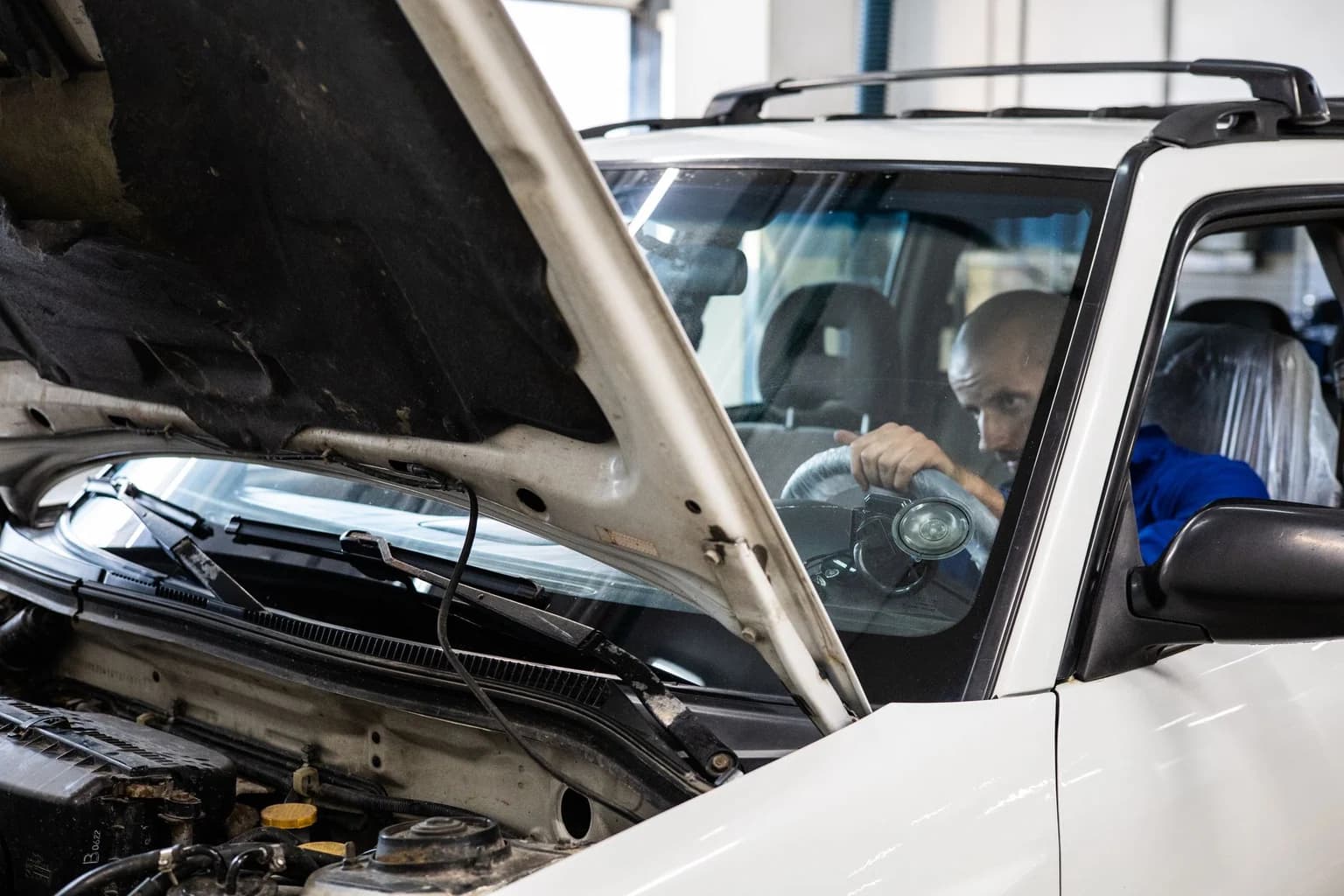
Purchasing a used car can be a rewarding experience, but it requires careful consideration and diligent checks to ensure you’re making a wise investment. This guide will provide you with a detailed checklist of crucial aspects to examine before committing to a purchase, helping you navigate the complexities of the second-hand car market.
- Check the car's history using the registration number.
- Inspect the bodywork and interior thoroughly.
- Take the car for a test drive.
- Verify MOT and service history with relevant documentation.
- Confirm the vehicle's engine and transmission are functioning properly.
Before you make a purchase, it’s essential to fully understand what's involved in buying a used car. The following sections will break down key areas for you to consider.
Essential Used Car Buying Checklist
- 1. Vehicle History Check: Use the vehicle registration number to obtain a history report from the DVLA or a service like HPI Check. This will reveal if the car has been written off, stolen, or has outstanding finance.
- 2. Mileage Verification: Ensure the mileage aligns with the service history. A significant discrepancy can indicate tampering.
- 3. MOT Status: Verify the MOT status via the DVSA website. This provides details on the car’s test history and whether it is currently roadworthy.
- 4. Service History: Ask for the complete service history to confirm that the car has been well-maintained. Regular services should be a priority.
- 5. Visual Inspection: Check the car for signs of wear and tear, rust, or potential accident damage. Don’t forget to inspect the tyres for tread depth and even wear.
- 6. Test Drive: Take the car on various road types and speeds. Listen for unusual sounds and check how it handles.
- 7. Safety Features: Assess whether the car has necessary safety features such as airbags, ABS, and electronic stability control.
- 8. Fuel Efficiency: Research the car’s MPG ratings and ensure it fits within your estimated running costs.
Common Problems to Look Out For
- 1. Engine Issues: Unusual noises or smoke can indicate potential engine problems. Be cautious.
- 2. Transmission Faults: Listen for slipping gears, rough shifts, or whining sounds, which can signal transmission issues.
- 3. Electro-mechanical Faults: Test all electronics in the car, including windows, lights, and infotainment systems. Faulty electrics can be costly to fix.
- 4. Body Damage: Inspect for signs of body repair such as uneven paintwork or misaligned panels, which may conceal serious accidents.
Understanding Running Costs
When evaluating the total cost of ownership for a used car, it’s important to consider the following:
1. Fuel Costs: Calculate your expected monthly fuel expenses based on the car's MPG and your driving habits.
2. Insurance: Obtain quotes from several providers to find a reasonable insurance premium.
3. Maintenance: Some cars may require more frequent or costly maintenance due to their age or brand.
4. Road Tax: Be aware of the car's road tax band and ensure this fits within your budget.
Who This Checklist Is For
This checklist is ideal for anyone considering the purchase of a used car, regardless of experience level. Whether you are a first-time buyer or looking to upgrade, having a structured approach can greatly improve your purchase experience.
Final Thoughts
In summary, buying a used car does not have to be a daunting task. By diligently following this checklist and conducting necessary checks, you can increase your chances of selecting a reliable vehicle that suits your needs and budget. A well-informed buyer is often a successful one, so take your time and enjoy the process.
Additional Local Resources and Information
For further information on car buying regulations and best practices, you may wish to visit the following websites:
- DVLA - For vehicle registration and licensing details.
- DVSA - For MOT standards and vehicle safety regulations.
Frequently asked questions
What documents should I check when buying a used car?
Always check for the V5C registration document, the service history, and the car's MOT status. These documents provide crucial information about the vehicle's legal status and maintenance.
How can I ensure the mileage is genuine?
You can verify the mileage through service history documents, the MOT history available on the DVSA website, or by checking service stamps.
What are the signs of a good used car?
Signs of a good used car include a well-maintained service history, recent MOTs, a clean bodywork, and a smooth driving experience during the test drive.
Should I get a mechanic to inspect the car before buying it?
Ideally, yes. A professional inspection can uncover hidden issues that you might overlook.
What is the importance of a warranty when buying a used car?
A warranty can provide peace of mind, covering potential repair costs for mechanical failures after the purchase.
Sources
- DVLA - Driver and Vehicle Licensing Agency · accessed 2023-10-01
- DVSA - Driver and Vehicle Standards Agency · accessed 2023-10-01
- MOT History - Check Your Car's MOT Status · accessed 2023-10-01